Triumph Heritage: The Story Behind the Logo
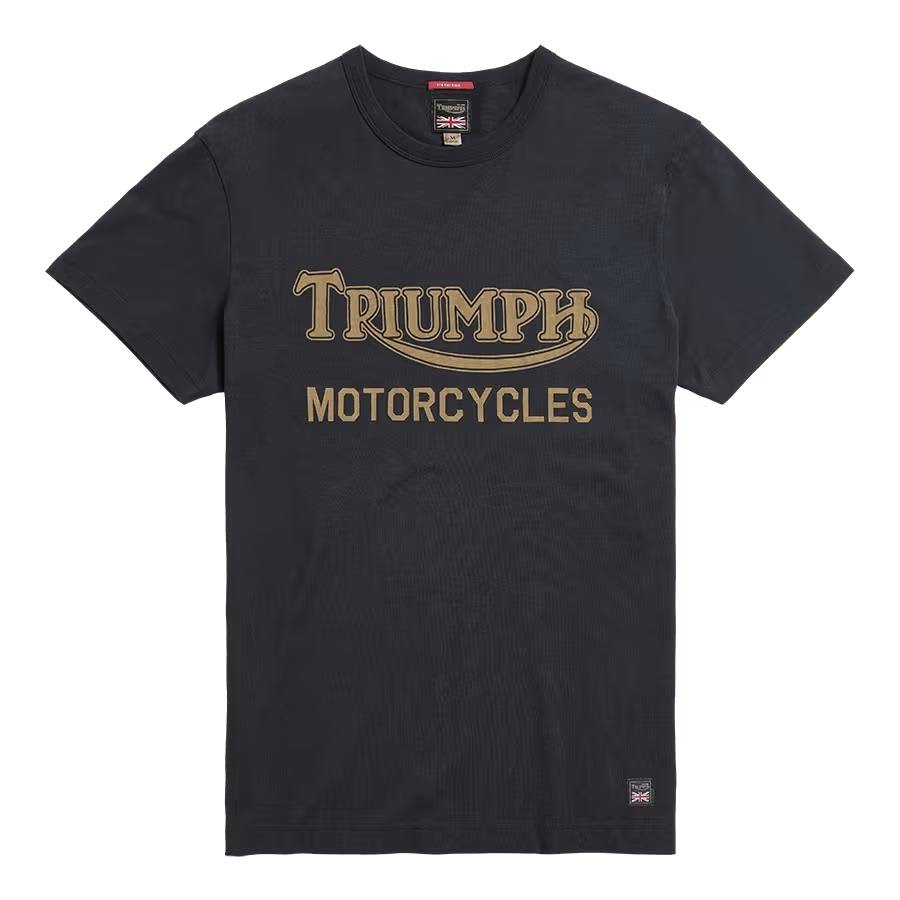
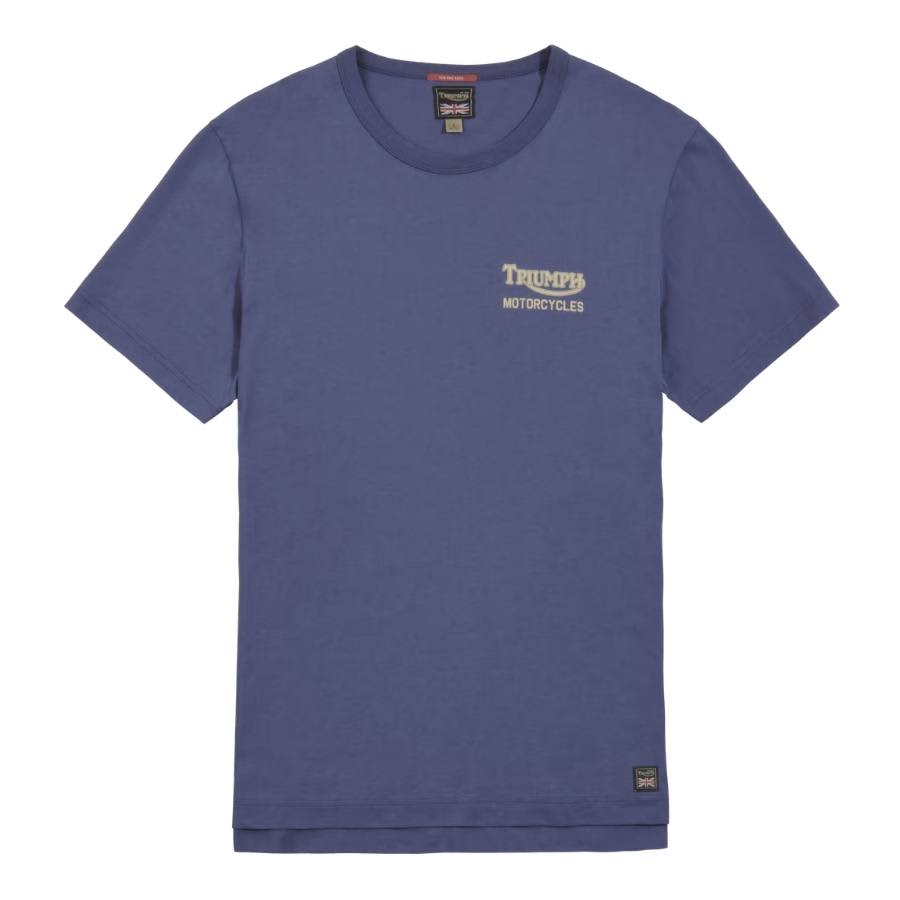
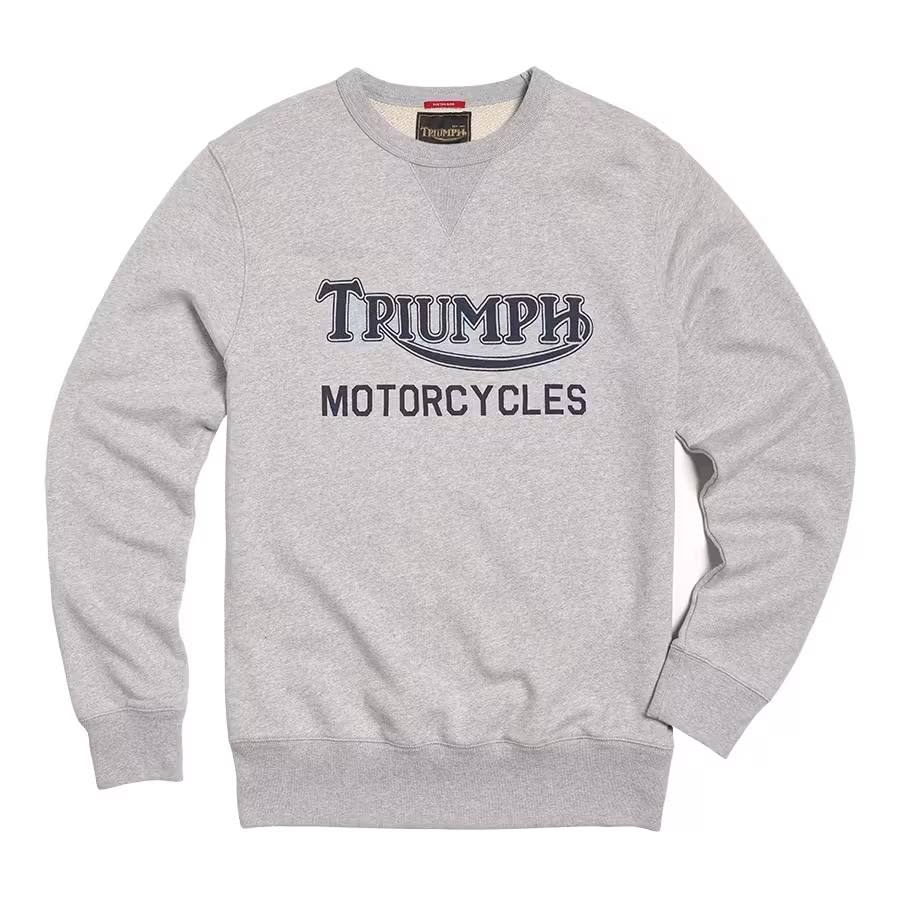
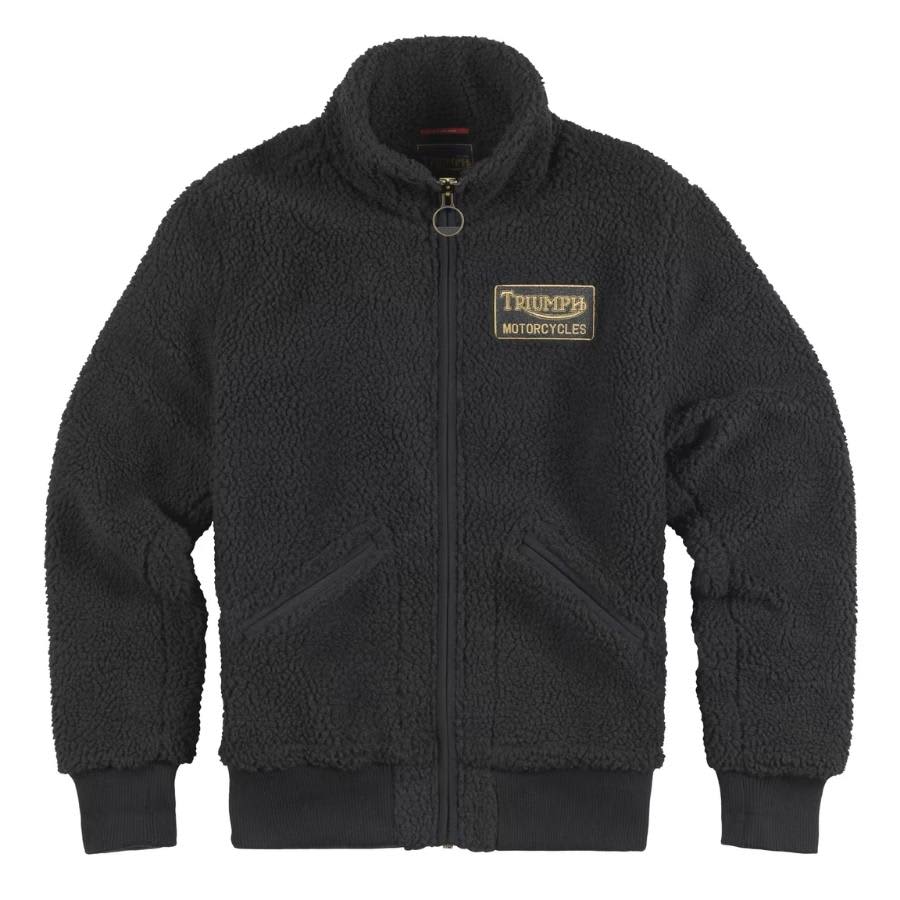
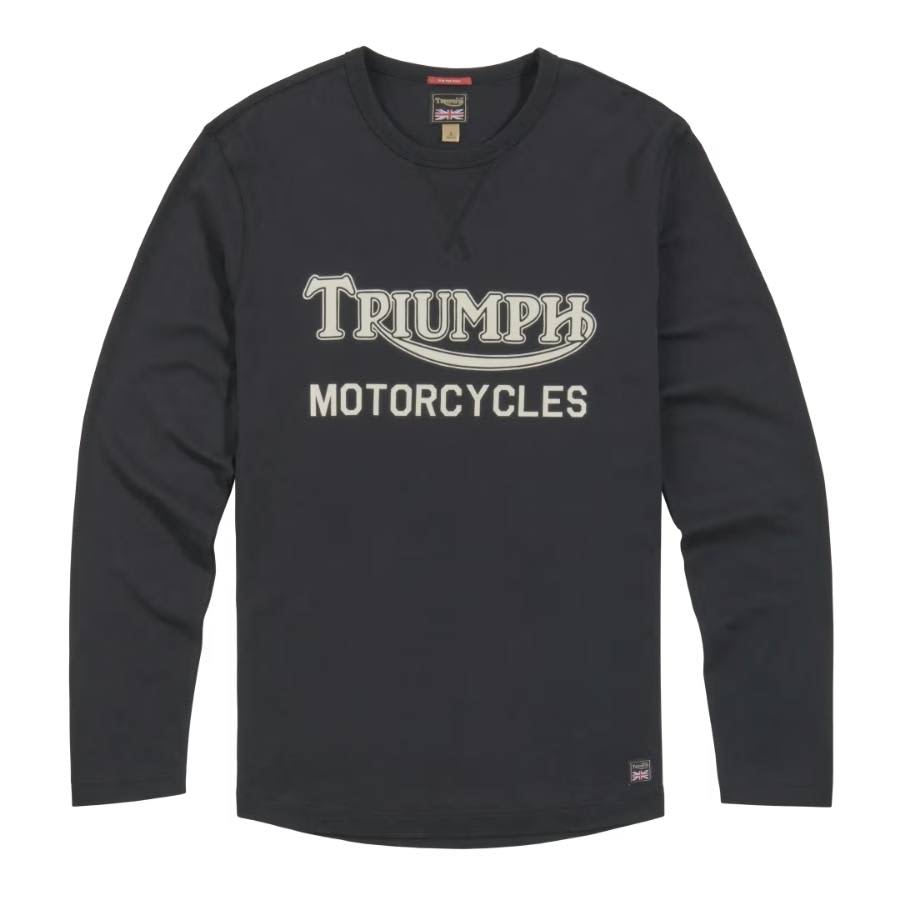
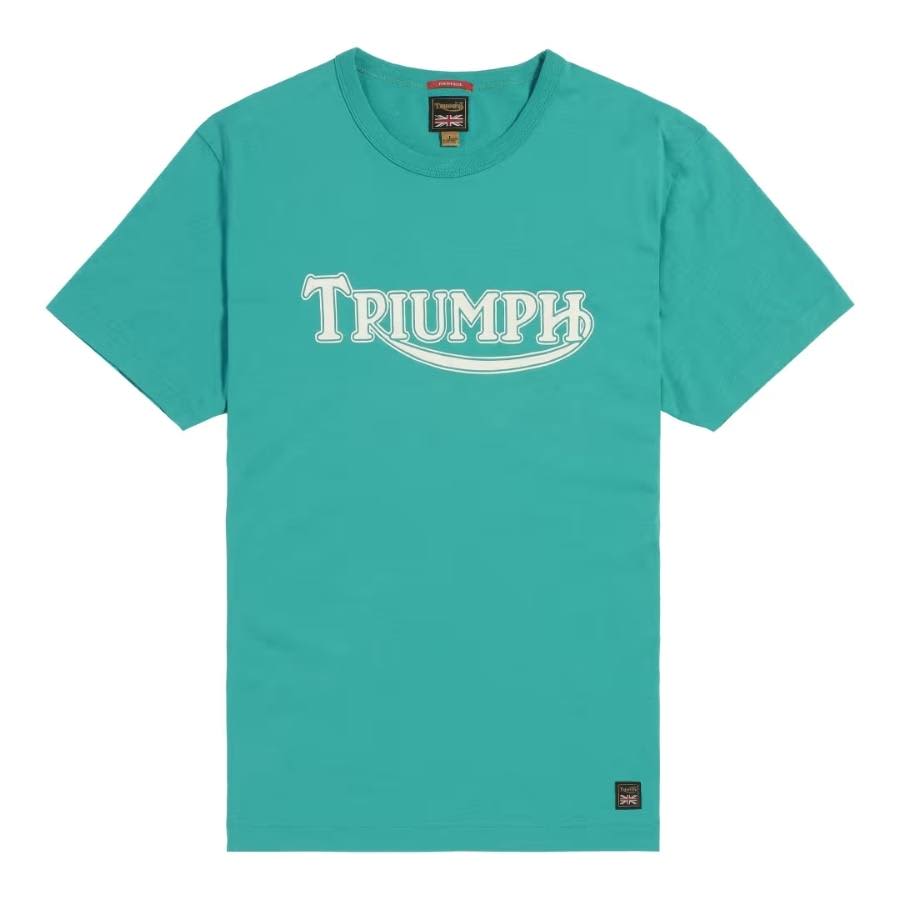
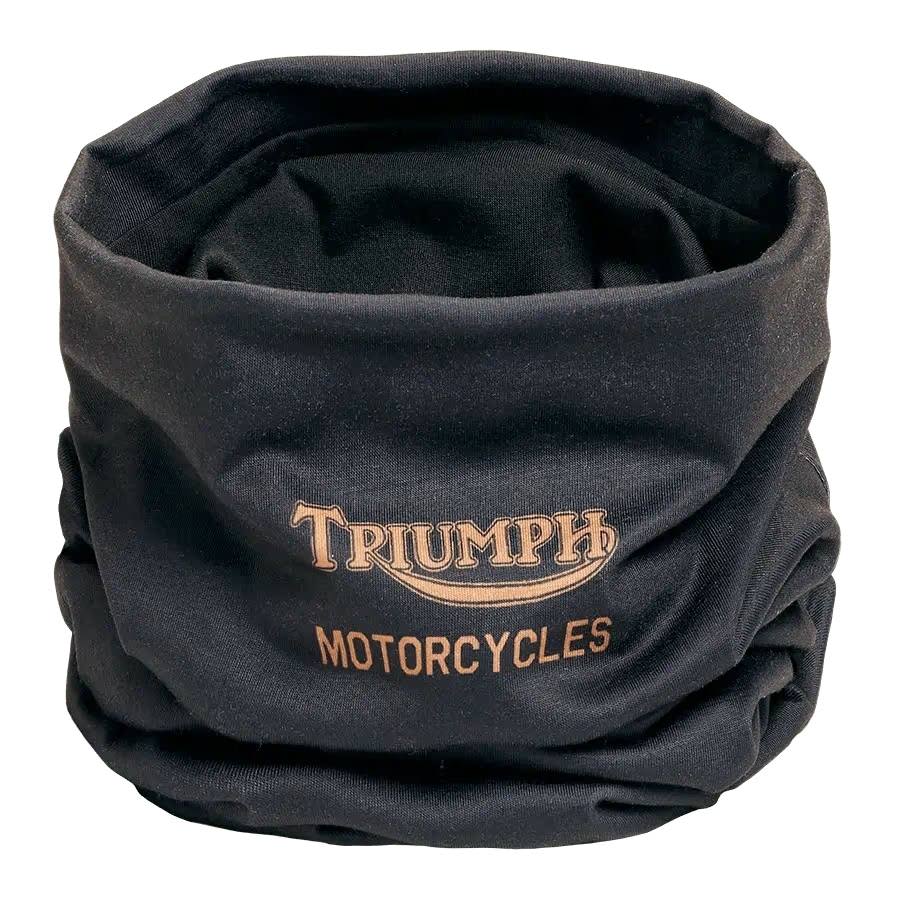
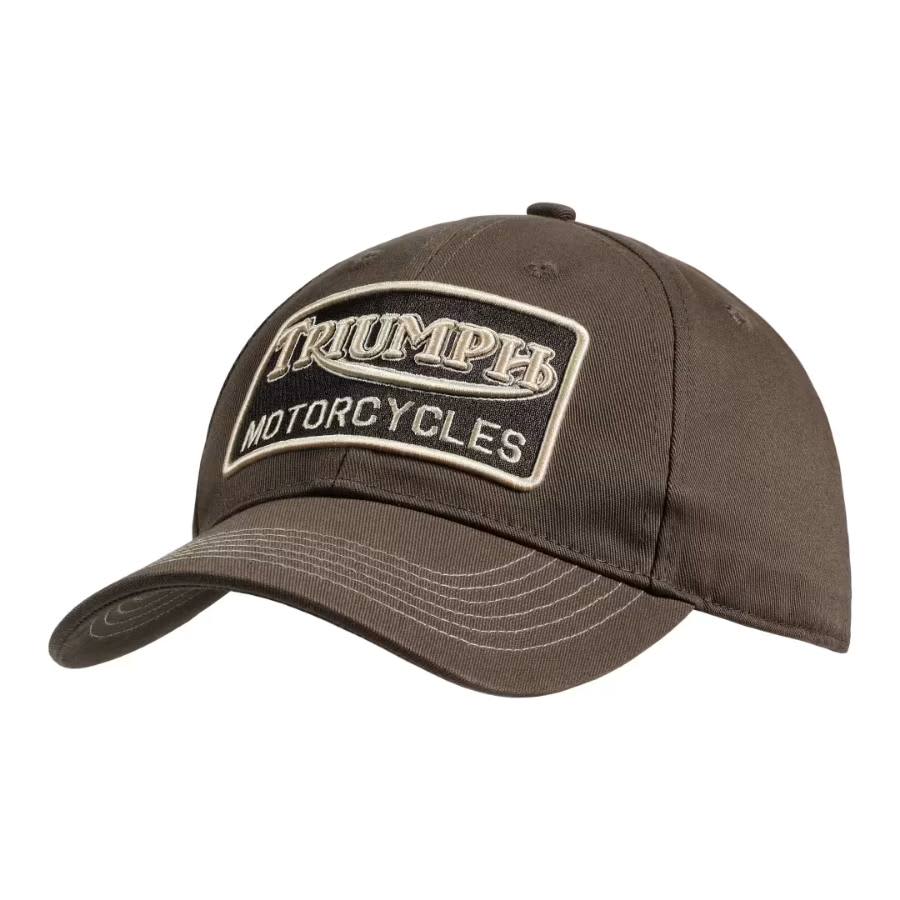
In 2020, Triumph Motorcycles launched Triumph Heritage as a stand alone clothing collection. The inspiration for this collection was the iconic 1936 Triumph Heritage Logo.
HISTORY OF THE TRIUMPH HERITAGE LOGO
The Triumph logo has evolved alongside every major shift in motorcycle history. After the Second World War, motorcycles were far more than machines, they were everyday transport, the way people travelled and got to work. As the decades passed, motorcycles became less of a necessity and more of a passion. Today, the Triumph logo stands as a mark of authenticity, heritage, and legitimacy: a contemporary expression of the values forged in those early years. It’s a symbol that honours Triumph’s history and is instantly recognisable today.
The Triumph Heritage logo first emerged in 1936, when Jack Sangster acquired the company and steered it away from car production to focus solely on motorcycles. As part of that shift, the logo was refreshed to modernise the brand and clearly distinguish it from its automotive past.
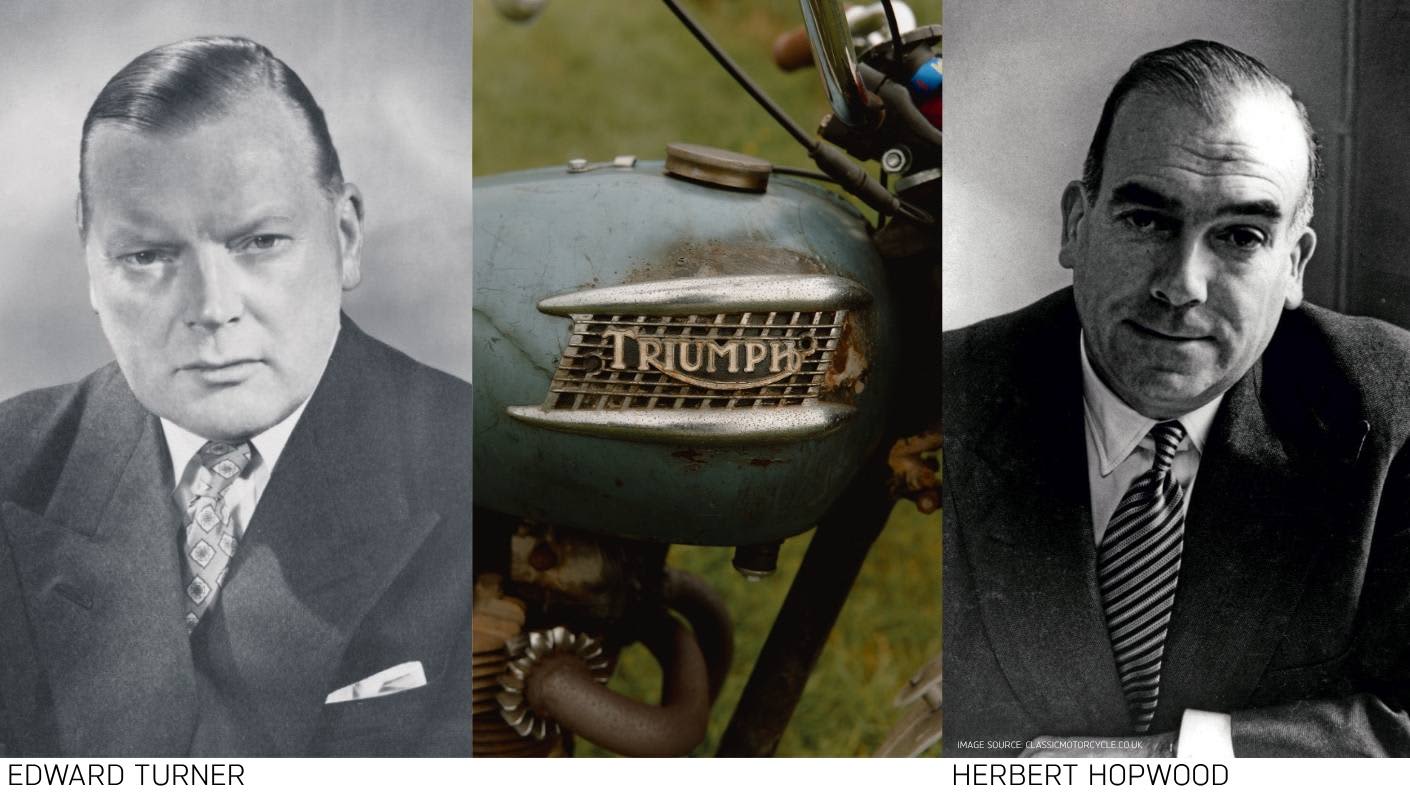
The logo was created by draftsman Herbert Hopwood alongside Edward Turner- the General Manager and chief designer responsible for the 498cc Speed Twin - whose influence helped define Triumph’s identity throughout the 1950s and 60s. The distinctive tail they added at the base of the logo added a sense of speed and movement, giving it a more contemporary, racing‑inspired feel.
TRIUMPH RACING
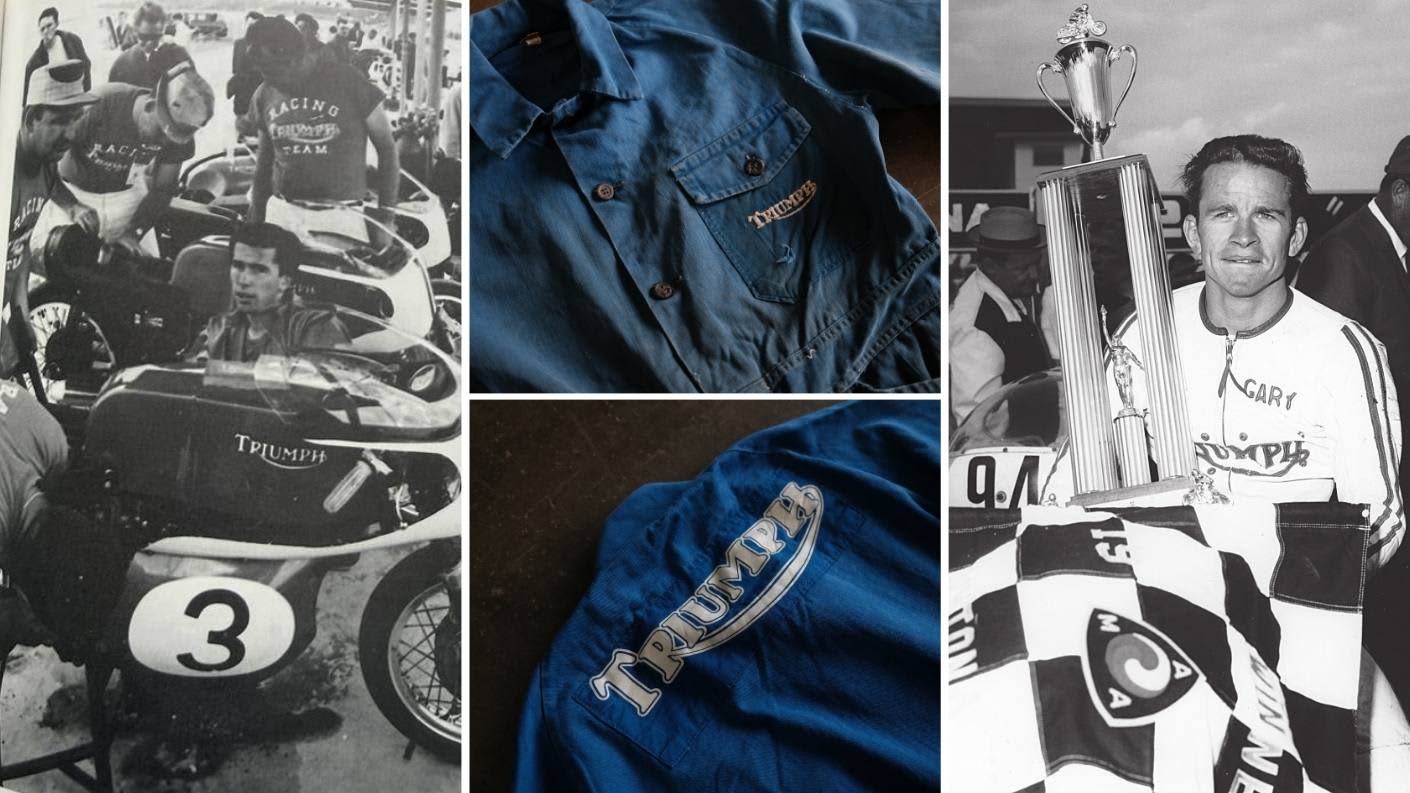
Although the Triumph logo first earned its place on our motorcycles, it didn’t immediately make the jump onto apparel. The earliest clothing came through with the Heritage logo was racing in the 1940s. Race teams, sponsors, and support crews wore the logo on their shirts and overalls, but it was purely functional, not casual wear. By the ’50s and ’60s, dealers began adding their own names onto the t-shirts and selling these pieces in-store as riders wanted the same gear they saw on the track. The success of Triumph racing, and the bikes themselves, sparked a growing appetite for Triumph clothing.
THE YEARS THE LOGO SLEPT
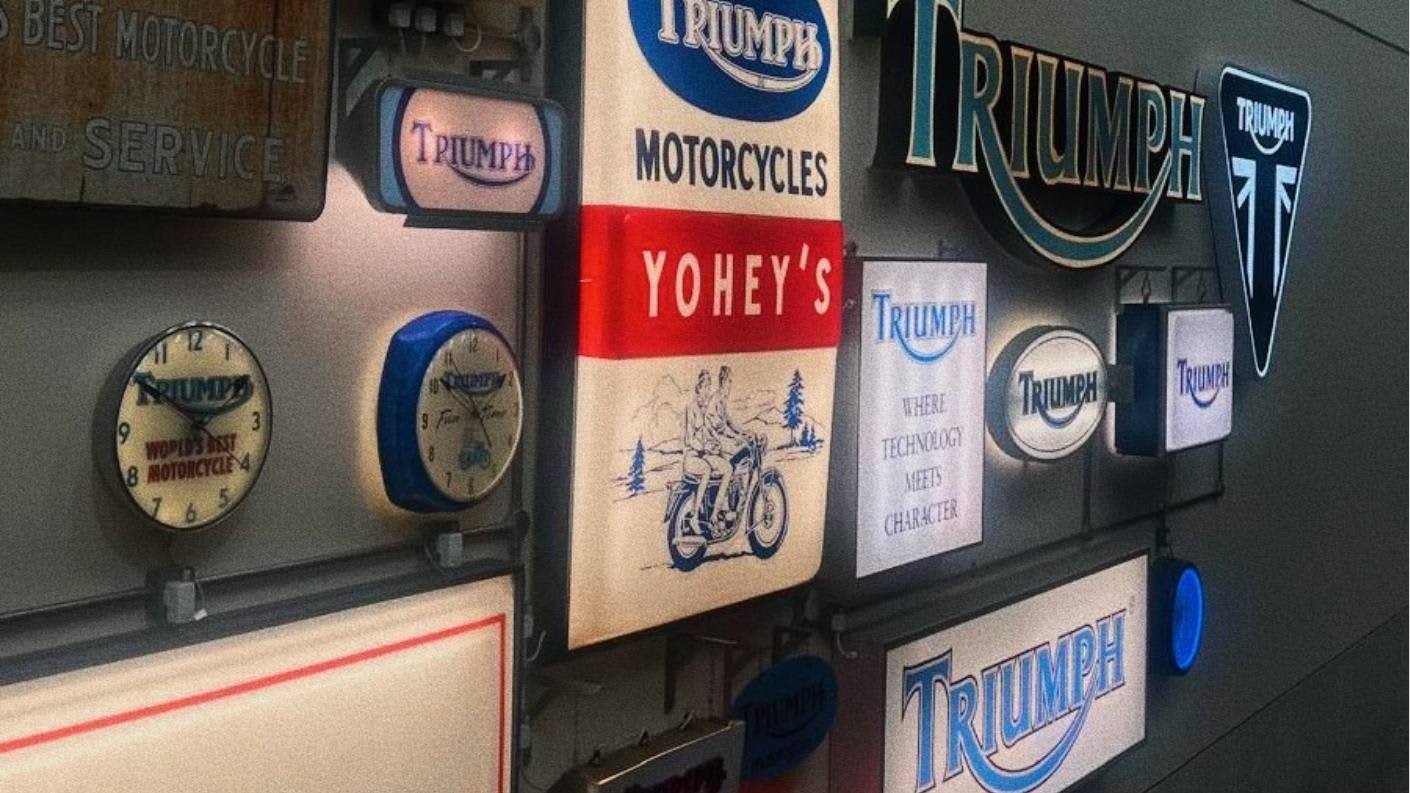
From 1990 to 2020, the original Triumph logo may have stepped out of the corporate spotlight, but its spirit never faded. It lived on in riders’ garages, on the factory walls as part of our archive, and even as tattoos worn with pride. It continued to embody the passion, pride, and heritage that define Triumph.
THE LOGO’S REVIVAL
We brought the Heritage logo back to create two clear clothing lines both with distinct purposes:
- Triumph Casual Collection: A modern line of on and off the bike clothing featuring our updated modern Triumph logo.
- Triumph Heritage Collection: A premium line embodying the heritage design and inspiration, using the original 1936 Triumph Heritage logo.
Reviving the 1936 logo gave the Triumph Heritage line its own identity, while the modern logo continued to define riderwear and dealer-focused apparel. Many riders already linked the original emblem to the Meriden-built classics, the laid‑back heritage culture, and the modern classics they ride today.
THE EVOLUTION OF THE LOGO
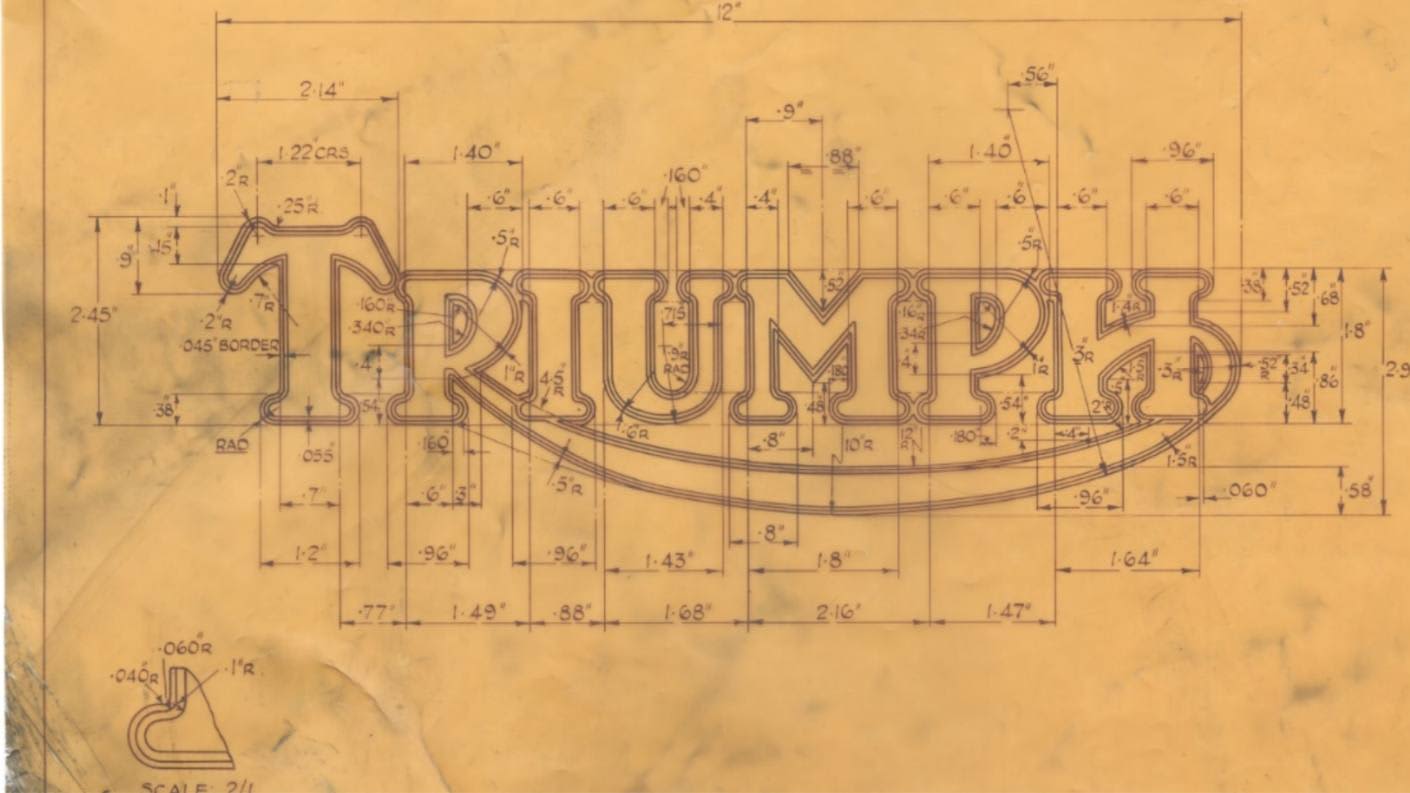
Over the years, the colours of the Triumph logo shifted with the times: bold blues and deep blacks dominated the ’70s and beyond, but gold has always been part of our story. It appeared on the original Garden Gate tank badge, a detail that inspired us to bring gold back for our Triumph Heritage line in 2020. Gold carries a more premium feel on clothing and connects directly to the craftsmanship and legacy at the heart of Triumph. For the relaunch, we returned to the final draftsman’s drawing of the logo, grounding the modern revival in its most authentic form.
VIEW THE TRIUMPH HERITAGE CLOTHING COLLECTION HERE
Ultimately, the revival of the Triumph Heritage logo wasn’t just a strategic decision, it was driven by passion. Our Clothing Director, Kevin Charles, shared:
“The heritage logo reminds me of the old air‑cooled Triumph engines and their distinctive smell and sound, which is an incredibly visceral sensation. It takes you back to the original Meriden‑built bikes of that era. That’s what it means to me, it reflects the bikes of the ’50s and ’60s.
Bringing the logo into the clothing range was about capturing that feeling and giving riders a way to wear the emotion, memory, and soul of Triumph’s past.”